
Cocktail of the Month: The Kir
By • September 9, 2025 0 516
Last month, the White House deployed National Guard troops to the District of Colombia because of alleged lawlessness in the city, even though crime hit a 30-year low last year. Armed military can be spotted around tourist sites and transportation hubs, even picking up trash on the National Mall.
District residents have not taken kindly to this invasion, organizing protests and marches to oppose the deployment and federal control of the city’s police force. A Washington Post poll indicated that around 80 percent oppose the president’s decision to send troops to the city. Many see the deployment as a political power grab by Trump, comparing it to martial law.
What if sipping a cocktail were an act of defiance? When France was invaded by the Nazis during World War II, the French people responded in a unique way: they drank a “resistance cocktail.”
German soldiers had confiscated the beloved red wines of Burgundy, leaving the locals shattered and enraged. After the wine was taken, Félix Kir, a priest and resistance fighter, created a new drink by combining the local crème de cassis, a blackcurrant liqueur, with a regional white aligoté wine, which has a dry and acidic flavor profile. The wine balanced the sweetness of the liqueur, and when the two were mixed the color mimicked the hue of the stolen native treasure.
Soon the locals were downing these red cocktails in an act of opposition, toasting the ingenuity of their favorite priest.
This rebellious refresher is known today at the Kir cocktail. Father Kir became a heroic figure in the French Resistance and the mayor of Dijon from 1945 to 1968. It is said that Kir aided the escape of nearly 5,000 prisoners of war. Eventually, the Germans caught on to his antics. He was arrested on a couple of occasions and survived an assassination attempt by French fascists.
The drink also became a symbol of hospitality. When he was mayor, Kir served the tipple to guests at various gatherings. Not only was he being hospitable, he was promoting two domestic products.

The Kir cocktail.
If you’re not familiar with crème de cassis, it’s a purple-colored liqueur made from macerated blackcurrants, known for its rich, layered flavor. Its deep, jammy taste has a pronounced sweetness and a tangy finish. While crème de cassis is a specialty of Burgundy, it’s also made in other countries, including the U.S.
Rumor has it the Kir cocktail made its way to America through Cary Grant. During the filming of Alfred Hitchcock’s 1955 film “To Catch a Thief,” Grant was introduced to the Kir and became a huge fan, helping to popularise the drink among the Hollywood elite.
The Kir evolved into the Kir Royale — essentially the same drink, except it replaces the white wine with Champagne. While the Kir is generally enjoyed as an aperitif before a meal, the “royal” version is often served as a celebratory drink on special occasions.
Versions that swap out the crème de cassis for other fruity liqueurs have come along as well. They include crème de pêche (peach), crème de mûre (blackberry) and crème de framboise (raspberry). One of my favorite variations is made with Chambord.
When mixing these highballs, the general ratio is one part crème de cassis to four parts wine. Be sure to add the liqueur first, as that facilitates the mixing process. If you’re unable to source aligoté wine, try using another dry white such as chablis.
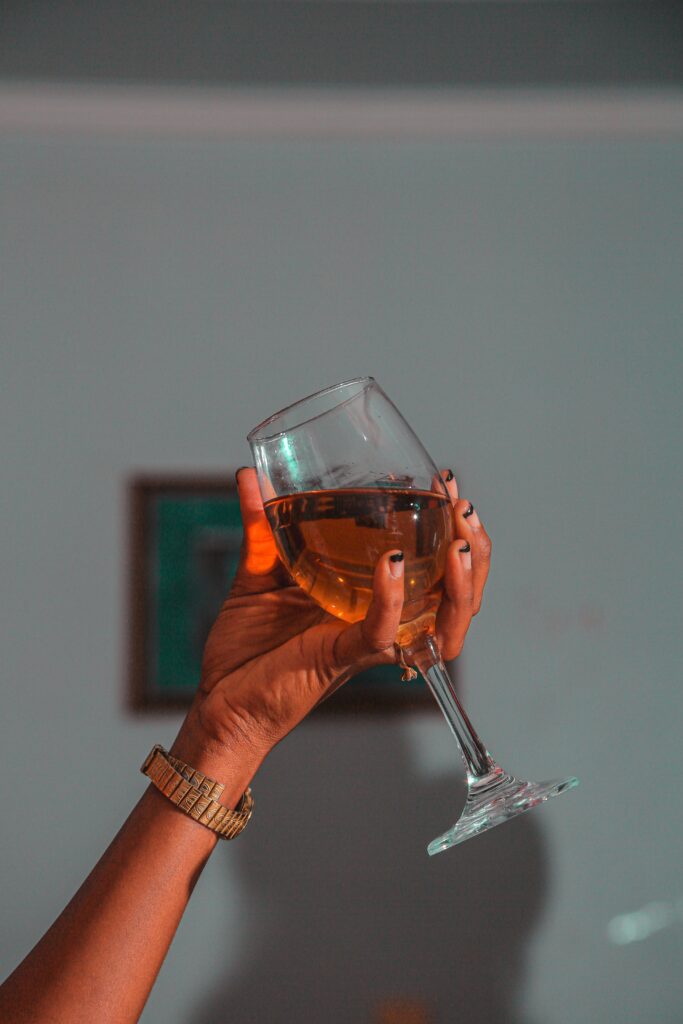
As for glassware, the Kir is traditionally served in a regular white wine glass and the Kir Royale in a Champagne flute.
So if you feel annoyed when you see soldiers patrolling M Street or sitting on a bench in a Georgetown park, remember the actions of a brave clergyman and lift a glass in rebellion.
The Kir Cocktail
1 part crème de cassis
4 parts dry white wine
Add the crème de cassis to the glass, then top with the wine.